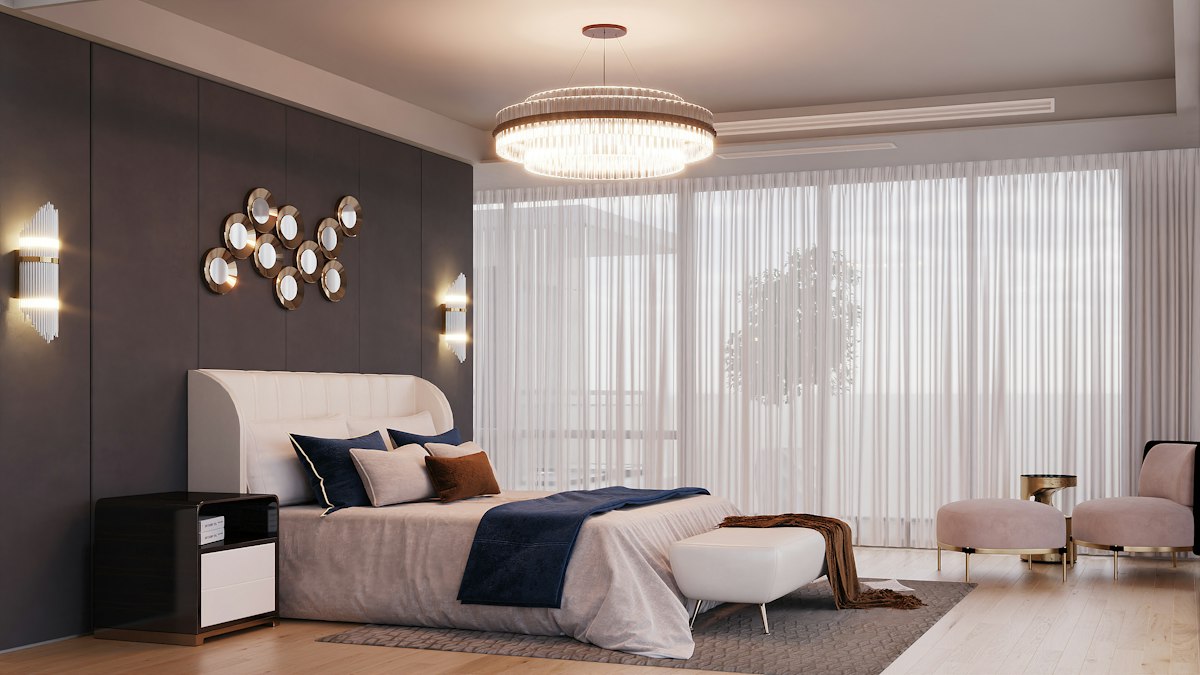
Crafting Your Sanctuary: The Essential Role of Expert Bedroom Designers
Your bedroom should be more than just a place to sleep. It's your personal sanctuary, a space where you unwind, recharge, and begin and end each day. Yet, for many, the reality falls short. Perhaps it feels cluttered, lacks cohesion, or simply doesn't reflect your true style and needs. The idea of transforming it can be daunting, a maze of color palettes, furniture choices, and spatial arrangements.
You might have browsed countless design magazines or scrolled through endless online galleries, collecting ideas but feeling overwhelmed by the sheer volume of options. How do you translate those aspirational images into a functional, beautiful space that truly feels like *yours*? This is precisely where the expertise of a professional bedroom designer becomes invaluable.
Related posts
Why German Kitchen Cabinets Lead Modern Home Design: Engineering, Brands, and Costs
Planning a kitchen remodel often leads homeowners, architects, and interior designers to a single region famous for precision...
Read more →
How to Hire Interior Designers for Office Projects That Drive Performance
Choosing the right interior designers for office projects is no longer just about picking out ergonomic chairs or...
Read more →Beyond Aesthetics: Selecting the Best Kitchen Design Companies for Lasting Value
Embarking on a kitchen renovation is one of the most significant investments you'll make in your home. It's...
Read more →
Elevating Your Home: The Indispensable Role of Expert Kitchen Designers
Embarking on a kitchen renovation project is one of the most significant investments you can make in your...
Read more →They don't just pick pretty things; they translate your desires into a tangible, livable environment, considering everything from light flow to personal habits. A skilled designer understands that a bedroom isn't a static display but a dynamic space that supports your well-being and daily routine.
This discussion will explore what bedroom designers truly offer, why their specialized knowledge can save you time and money, and how to navigate the process of finding the right professional to create the restful, inspiring haven you deserve.
Key takeaways
- Bedroom designers create personalized sanctuaries, moving beyond simple decoration to optimize function and comfort.
- Their expertise helps you avoid costly mistakes and achieve a cohesive, sophisticated aesthetic tailored to your lifestyle.
- Choosing the right designer involves evaluating portfolios, understanding fee structures, and ensuring a strong personality fit.
- The design process is collaborative, involving consultations, concept development, sourcing, and meticulous installation.
Beyond Aesthetics: What Exactly Do Bedroom Designers Do?
Many people assume a bedroom designer simply picks out furniture and paint colors. While those are certainly components, their role is far more comprehensive and strategic. They act as your vision translator, project manager, and creative problem-solver, all rolled into one.
Understanding Your Vision and Needs
The first step is always deeply personal. A good designer doesn't impose their style; they listen intently to yours. They'll ask about your routines, your preferences for light and color, how you use your bedroom beyond sleeping, and what feelings you want the space to evoke. This discovery phase is critical for establishing a foundation for a truly personalized design.
Space Planning and Layout
This is where technical expertise shines. Designers are adept at maximizing even challenging layouts, ensuring furniture placement enhances flow and functionality. They consider sightlines, traffic patterns, and how to best utilize every square foot, often suggesting custom solutions or clever storage to optimize the space.
Material and Finish Selection
From flooring and wall treatments to fabrics for bedding and window coverings, a designer curates a palette of materials and finishes that align with your aesthetic and practical needs. They understand how different textures, patterns, and materials interact to create a cohesive and inviting atmosphere, considering durability and maintenance.
Lighting and Ambiance
Lighting is paramount in a bedroom, affecting mood, functionality, and perceived spaciousness. Designers plan for layers of lighting—ambient, task, and accent—to create versatility. They select fixtures that complement the design while ensuring adequate illumination for reading, dressing, and relaxation, often incorporating dimmers for mood control.
Custom Furniture and Built-ins
Sometimes, off-the-shelf solutions just don't fit. Designers frequently collaborate with artisans and manufacturers to create custom headboards, nightstands, wardrobes, or built-in shelving. These bespoke pieces not only fit perfectly but also add unique character and functionality, elevating the entire room.
Project Management
Beyond the creative aspect, designers often handle the logistical heavy lifting. This can include sourcing products, coordinating with contractors (painters, electricians, installers), managing timelines, and overseeing deliveries. This behind-the-scenes work is crucial for a smooth project execution and can save you significant stress.
Why Invest in a Professional Bedroom Designer?
Hiring a professional might seem like an added expense, but for many, it's an investment that pays dividends in both tangible and intangible ways. The expertise they bring can transform a good idea into an exceptional reality.
Saving Time and Avoiding Costly Mistakes
Designing a bedroom from scratch is incredibly time-consuming, from research to sourcing. A designer streamlines this process significantly. More importantly, their experience helps avoid common pitfalls like incorrect furniture scale, clashing colors, or impractical layouts, which can lead to expensive re-dos or buyer's remorse.
Achieving a Cohesive, Sophisticated Look
Designers possess an trained eye for balance, proportion, and harmony. They can blend different styles, textures, and colors to create a look that feels polished and intentional, rather than just a collection of attractive pieces. This results in a bedroom that feels pulled-together and genuinely sophisticated.
Maximizing Comfort and Functionality
A beautiful bedroom is only truly successful if it's also comfortable and functional. Designers prioritize ergonomics and practical use, ensuring that everything from mattress selection to closet organization contributes to a space that supports your daily life and promotes restful sleep.
Access to Exclusive Resources and Trades
Designers often have established relationships with trade-only vendors, custom fabricators, and skilled contractors. This means you gain access to unique products, better quality materials, and reliable craftsmen that are not readily available to the general public, often at competitive prices.
Adding Value to Your Home
A well-designed, professionally executed bedroom can significantly enhance your home's appeal and market value. Potential buyers are often swayed by spaces that feel luxurious, functional, and move-in ready, making a designer-led renovation a smart long-term investment.
Finding Your Perfect Match: How to Choose a Bedroom Designer
Selecting the right bedroom designer is a personal decision, much like choosing any professional you'll work closely with. It requires careful consideration of their style, experience, and how well they communicate.
Defining Your Style and Budget
Before you even start looking, take some time to clarify your own preferences. What styles do you gravitate towards? What's your comfortable budget range for the design fees and the overall project? Having a clear idea helps you narrow down potential candidates and communicate effectively.
Portfolio Review and Experience
Look at a designer's portfolio. Do their past projects resonate with your aesthetic? Pay attention to bedrooms they've designed. Does their work demonstrate versatility, or do they have a signature style that aligns with yours? Experience in projects similar to yours can be a strong indicator of success.
Client Testimonials and References
A designer's reputation speaks volumes. Seek out client testimonials or ask for references. Past clients can provide insights into their working style, communication effectiveness, adherence to budget, and overall satisfaction with the finished product. This due diligence is crucial.
Communication Style and Personality Fit
You'll be sharing intimate details about your home and lifestyle. It's essential to feel comfortable and understood. During initial consultations, assess their communication style. Are they good listeners? Do they explain their process clearly? A good personality fit ensures a smoother, more enjoyable collaboration.
Understanding Their Fee Structure
Be transparent about your budget and ensure the designer is equally transparent about their fees. Discuss how they charge (hourly, flat fee, percentage of project cost) and what's included in those fees. Get everything in writing to avoid any misunderstandings down the line.
The Design Journey: What to Expect When Working with a Designer
Once you've chosen a designer, the real fun begins. The process is typically structured and collaborative, ensuring your vision is brought to life systematically and efficiently.
Initial Consultation and Discovery
This first meeting is typically thorough. The designer will visit your home, take measurements, and discuss your lifestyle, preferences, budget, and timeline in detail. They'll ask about your inspirations, challenges, and how you envision using the finished space. This is where they gather all the puzzle pieces.
Concept Development and Presentation
Based on the discovery phase, the designer will develop initial concepts. This often includes mood boards, floor plans, 3D renderings, and samples of materials, colors, and fabrics. They'll present these ideas to you, explaining their choices and gathering your feedback. This is an iterative process, refining the vision together.
Sourcing and Procurement
Once concepts are approved, the designer begins sourcing specific furniture, lighting, textiles, and accessories. They handle ordering, tracking, and managing deliveries. This stage often involves navigating vendor relationships and ensuring quality control, saving you significant hassle.
Installation and Styling
This is the exciting part! Once all items have arrived, the designer oversees the installation. This includes coordinating deliveries, furniture placement, hanging artwork, and styling accessories. Their eye for detail ensures everything is perfectly arranged, creating the finished look you envisioned.
Final Walkthrough and Adjustments
After installation, you'll have a final walkthrough with your designer. This is an opportunity to review the completed space, address any minor adjustments, and ensure everything meets your expectations. It's the moment your dream bedroom truly becomes a reality.
Understanding the Investment: Bedroom Designer Fees and Pricing Models
The cost of hiring a bedroom designer varies widely depending on their experience, location, the scope of your project, and their specific fee structure. It's essential to understand these models upfront to budget effectively.
Hourly Rates
Many designers charge an hourly rate for their time, including consultations, concept development, sourcing, and project management. This model is often suitable for smaller projects or if you only need assistance with specific aspects of your design. Rates can range significantly, from moderate to premium.
Flat Fees
A flat fee means a fixed price for the entire scope of work, agreed upon before the project begins. This provides cost predictability but typically covers a defined set of services. Any significant changes or additions outside the initial scope might incur additional charges.
Percentage of Project Cost
Some designers charge a percentage of the total project budget, which includes furniture, fixtures, and contractor costs. This model is common for larger, more comprehensive renovations. The percentage can vary but typically reflects the designer's involvement and the complexity of the project.
Hybrid Models
It's also common for designers to use a hybrid approach. For example, they might charge a flat design fee for concept development and then an hourly rate for procurement and project management. Or, they might combine a retainer with an hourly rate or a percentage. Always clarify what each component covers.
Factors Influencing Cost
Several factors impact the overall cost. The scope of work (a full renovation versus just styling) is paramount. The designer's experience and reputation will influence their rates. Your geographic location also plays a role, with designers in major metropolitan areas often commanding higher fees. Finally, the complexity of the design and the need for custom pieces will affect the total investment.
FAQ
How long does a typical bedroom design project take?
The timeline for a bedroom design project can vary greatly, typically ranging from a few weeks for minor updates and styling to several months for a complete renovation involving custom furniture or structural changes. Factors like product lead times, contractor availability, and your decision-making speed all play a significant role in the overall duration.
Can a bedroom designer work with my existing furniture?
Absolutely. Many skilled bedroom designers excel at incorporating cherished existing pieces into a new design. They can help you decide which items to keep, how to reupholster or refinish others, and how to blend them seamlessly with new selections to create a fresh, cohesive look that still feels personal to you.
What's the difference between an interior decorator and a bedroom designer?
While often used interchangeably, an interior decorator typically focuses on the aesthetic and surface elements of a space, such as furniture, color schemes, and accessories. An interior designer, especially one specializing in bedrooms, often has a more comprehensive scope, including space planning, structural considerations, lighting design, and working with architects or contractors on renovations.
Do I need a large budget to hire a bedroom designer?
Not necessarily. Many designers offer various service levels, from full-service design to consultations or e-design packages, which can accommodate different budgets. It's crucial to be upfront about your financial parameters from the start, as a good designer can work creatively within your constraints to achieve the best possible outcome.
How involved will I be in the design process?
Your level of involvement is largely up to you and your designer. Some clients prefer to be highly engaged in every decision, while others prefer to hand over the reins and trust the designer's expertise. Most designers offer a collaborative approach, presenting options and seeking your approval at key stages, ensuring the final design reflects your taste while leveraging their professional insight.
Conclusion
A bedroom designer offers more than just aesthetic improvements; they provide a holistic approach to creating a space that enhances your daily life. From optimizing functionality and flow to curating a personalized aesthetic, their expertise transforms a mere room into a true sanctuary. By understanding their role, the design process, and how to choose the right professional, you're well-equipped to embark on a journey that culminates in the restful, inspiring bedroom you've always envisioned. Consider taking that initial step towards investing in a space that truly nurtures your well-being.