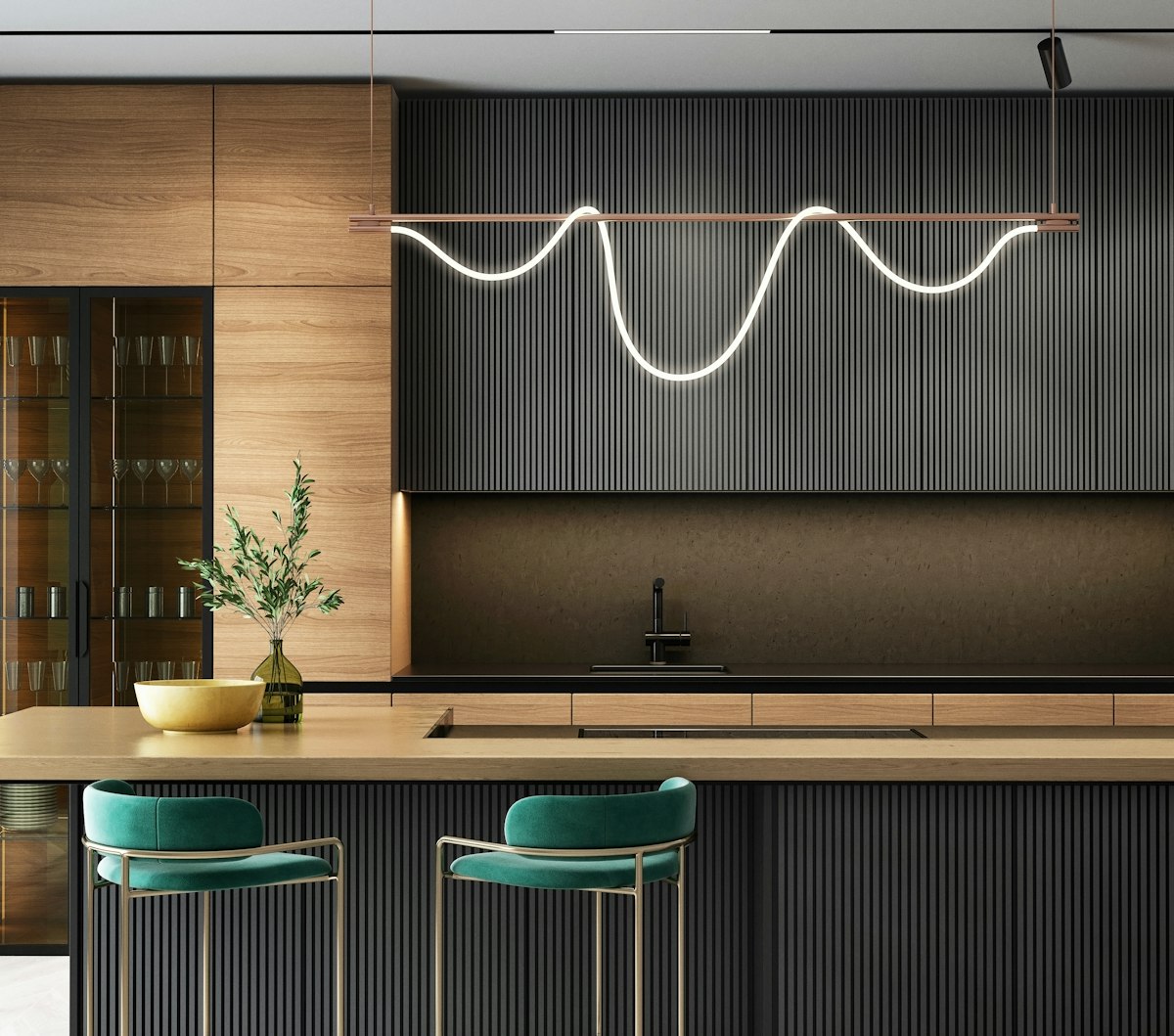
Why German Kitchen Cabinets Lead Modern Home Design: Engineering, Brands, and Costs
Planning a kitchen remodel often leads homeowners, architects, and interior designers to a single region famous for precision engineering: Germany. German kitchen cabinets have captured a massive share of the international luxury and contemporary markets. They are recognized for sleek lines, flawless mechanical hardware, and spatial efficiency that turns cooking spaces into seamless work environments.
Unlike traditional American face-frame cabinetry, German manufacturers pioneered frameless modular systems built around strict grid dimensions. This approach eliminates wasted gaps, maximizes interior storage, and creates flush, architectural lines across long wall runs. Whether you want a dramatic handleless island or built-in storage extending to the ceiling, German manufacturing offers levels of structural consistency that custom shops struggle to replicate at scale.
Related posts
How to Hire Interior Designers for Office Projects That Drive Performance
Choosing the right interior designers for office projects is no longer just about picking out ergonomic chairs or...
Read more →
Crafting Your Sanctuary: The Essential Role of Expert Bedroom Designers
Your bedroom should be more than just a place to sleep. It's your personal sanctuary, a space where...
Read more →Beyond Aesthetics: Selecting the Best Kitchen Design Companies for Lasting Value
Embarking on a kitchen renovation is one of the most significant investments you'll make in your home. It's...
Read more →
Elevating Your Home: The Indispensable Role of Expert Kitchen Designers
Embarking on a kitchen renovation project is one of the most significant investments you can make in your...
Read more →Choosing the right cabinetry requires understanding how these systems are engineered, which brands fit your budget, and what installation demands come with imported European furniture. This analysis breaks down mechanical hardware standards, factory tiers, cost expectations, and design features so you can make an informed choice for your home.
Key Takeaways
- German cabinets use standard frameless (European-style) construction with high-density core materials, laser-applied edge banding, and water-resistant adhesives.
- Brand options span distinct pricing tiers, from high-volume manufacturers like Nobilia to luxury bespoke producers like Poggenpohl, Bulthaup, and Eggersmann.
- Signature design features include integrated handleless channels (Gola systems), anti-fingerprint lacquers, and customized interior organizational inserts.
- Imported orders require precise site measurements and specialized installation, with standard factory lead times ranging between 10 and 16 weeks.
The Manufacturing and Engineering Advantage
German kitchen engineering relies on strict factory controls, high-density materials, and precise hardware integration. Standard American cabinets often utilize face frames with doors hinged directly onto wooden face frames. In contrast, German units are built using rigid, full-access frameless carcases, typically constructed from 16mm or 19mm high-density furniture board coated in durable melamine or multi-layer lacquer.
Edge sealing represents another major technical difference. Premier German factories utilize laser edge banding technology, fusing the edging material directly to the panel board without visible glue seams. This process creates a clean finish while preventing moisture from penetrating core materials near sinks, dishwashers, and steam-producing cooktops. Furthermore, polyurethane (PUR) adhesives are used along cabinet joints to ensure long-term resistance against steam and thermal expansion.
The internal hardware is equally sophisticated. German manufacturers collaborate closely with top-tier hardware producers like Blum, Hettich, and Grass. Drawer slides are engineered for smooth full-extension movement, holding static loads up to 70 kilograms without sagging. Soft-closing dampers, push-to-open mechanical systems, and electronic lift mechanisms for upper doors come standard across most product lines.
Market Tiers and Top German Cabinet Brands
The German cabinetry market is organized into distinct factory tiers based on production scale, customization flexibility, and finish options. Understanding these tiers helps align your design goals with realistic budget parameters.
Entry to Mid-Range Manufacturers
Brands like Nobilia, Schüller, and Bauformat represent high-volume, highly efficient production. Nobilia is Europe's largest kitchen manufacturer, producing thousands of kitchens daily. These brands offer high durability, crisp finishes, and excellent mechanical standards at accessible price points. They are ideal for medium-budget renovations and multi-unit residential developments that demand consistent quality.
Upper-Mid to Premium Tier
Brands such as Häcker and Leicht offer greater flexibility in custom sizing, specialized lacquer colors, real wood veneers, and ceramic cabinet fronts. Leicht, in particular, is renowned for architectural integration, offering exclusive color palettes like Les Couleurs® Le Corbusier. Häcker delivers custom spatial solutions and high-end finishes that bridge the gap between mass production and bespoke craftsmanship.
Luxury and Bespoke Tier
At the pinnacle of the market stand historic heritage brands like Poggenpohl, Bulthaup, Eggersmann, and Siematic. Bulthaup focuses on architectural minimalism, exposed craftsmanship, and industrial aesthetic precision. Poggenpohl, the oldest kitchen brand in the world, emphasizes bespoke panel layouts and luxurious materials. Eggersmann specializes in rare stone veneer fronts, unique architectural compositions, and fully customized interior mechanisms.
Signature Design Features and Material Innovations
What sets German kitchen aesthetics apart from standard cabinetry options? The answer lies in seamless integration and functional storage solutions that clean up visual clutter.
True Handleless Architecture
While many brands sell simple push-latch doors, German engineering refined the continuous horizontal and vertical recessed profile system, often called a Gola channel. Aluminum or dark powder-coated channels are integrated directly into the cabinet carcase behind the doors. This allows fingers to grip the top or side of the door effortlessly while maintaining a continuous, uninterrupted flat plane across the entire room.
Anti-Fingerprint and Advanced Materials
Modern German kitchens frequently feature super-matte nano-tech laminates (such as Fenix NTM) and multi-layer lacquers that resist fingerprints, oil smudges, and micro-scratches. Cabinet doors are also available in real concrete coatings, natural slate veneers, anodized aluminum, and textured warm woods, bringing tactile depth to contemporary interior spaces.
Smart Interior Storage Systems
The exterior minimalism hides highly organized internal systems. Deep drawers feature adjustable steel or timber dividers, integrated knife blocks, spice trays, and hidden internal cutlery drawers. Corner units use heavy-duty pull-out trays like LeMans shelves or full-extension carousels that slide heavy pots directly out of dark corners into plain view.
Cost Analysis and Budget Planning
Investing in German kitchen cabinets requires budgeting for factors beyond the physical cabinet boxes. Because these systems are manufactured overseas, your budget must account for ocean freight, tariff fees, local distribution markups, and expert installation.
- Entry to Mid-Range (Nobilia, Schüller): Complete cabinet packages typically cost between $15,000 and $35,000 for standard residential footprints.
- Premium Tier (Häcker, Leicht): Expect cabinet costs between $35,000 and $75,000, depending on veneer choices, motorized hardware, and lacquered finishes.
- Luxury Tier (Bulthaup, Poggenpohl, Eggersmann): Cabinetry investments range from $75,000 to over $150,000 for large architectural homes requiring specialized custom fabrications.
Lead times generally run from 10 to 16 weeks from final shop drawing approval. Because frameless German cabinets rely on precise plumb lines, wall prep and floor leveling are non-negotiable requirements. Installing European cabinets on uneven subfloors will lead to misaligned reveal lines, so hiring installers certified by or experienced with European modular furniture is essential.
Pros and Cons of German Cabinetry
Advantages
- Structural Rigidity: Built with high-density boards, heavy-duty concealed hinges, and precision factory joints.
- Maximized Ergonomics: Deeper carcase dimensions and slim side panels maximize internal usable volume.
- Seamless Aesthetics: Clean sightlines, uniform gaps (2mm tolerances), and hidden handles fit modern architecture.
- Resale Value: Recognized German brand names add tangible marketing appeal and value to high-end residential real estate.
Disadvantages
- Longer Lead Times: Orders must be planned months in advance due to overseas shipping and customs schedules.
- Strict Jobsite Tolerances: Walls and floors must be square; frameless construction is far less forgiving of out-of-plumb structures than American face-frame cabinets.
- Higher Upfront Expense: Shipping costs, custom ordering processes, and specialized assembly increase overall project spend.
Frequently Asked Questions
Are German kitchen cabinets worth the higher cost?
Yes, for homeowners seeking modern design, long-term durability, and precise hardware function. High-density materials, water-resistant laser-sealed edges, and heavy-load drawer slides ensure these cabinets perform smoothly for decades, making them a solid investment for high-end renovations.
How long does it take to import German kitchen cabinets?
From the moment factory shop drawings are signed and approved, lead times usually range from 10 to 16 weeks. Production requires approximately 4 to 6 weeks, while ocean freight, customs clearance, and local transit account for the remaining timeframe.
What is the main difference between German frameless cabinets and American face-frame cabinets?
American face-frame cabinets feature a solid wood frame attached to the front of the box, which reduces door opening space and creates gaps between units. German frameless cabinets eliminate the front frame entirely, providing direct, full-access opening, larger internal storage capacity, and clean 2mm gaps between doors.
Can you customize cabinet sizes with German brands?
While German manufacturing is modular based on metric grid standards, premium and luxury tiers offer custom height, depth, and width modifications down to the millimeter to fit unique architectural floorplans.
Conclusion
German kitchen cabinets represent a refined union of structural engineering, industrial precision, and modern minimalist design. From heavy-duty drawer slides to seamless laser-edged fronts and handleless channel systems, these cabinets offer unmatched organizational functionality and sleek aesthetic appeal. While they demand longer planning lead times and precise jobsite preparation, the resulting kitchen delivers superior durability and timeless architectural value. When planning your project, evaluate your budget tier, partner with experienced European design showrooms, and ensure your installer understands frameless precision standards to bring your space to life.