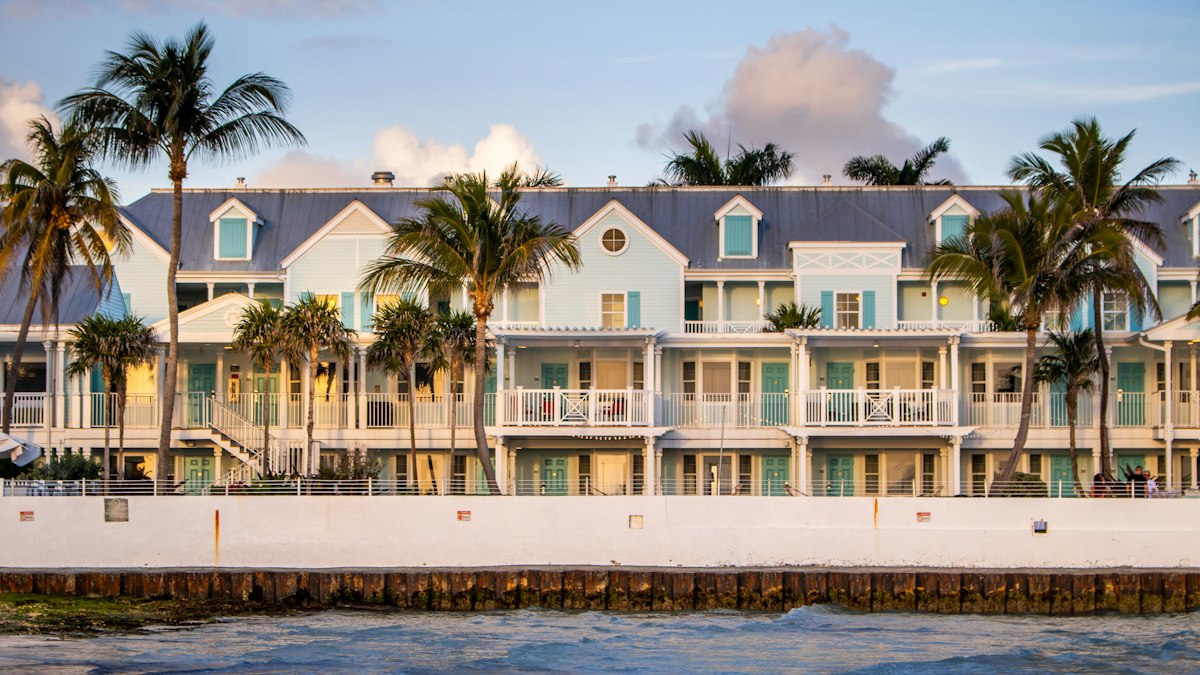
Selecting Commercial Grade Exterior Coatings for Coastal Properties
Coastal commercial buildings face some of the most punishing environmental conditions on earth. The combination of high-intensity ultraviolet (UV) radiation, persistent salt spray, and wind-driven rain creates a highly corrosive environment that rapidly degrades standard building materials. For property owners and facility managers, selecting an exterior coating is not merely an aesthetic decision; it is a fundamental engineering choice that directly impacts the structural integrity and long-term valuation of the asset.
Standard architectural paints often fail within eighteen to twenty-four months when applied to coastal facades. They bubble, chalk, peel, and allow moisture to penetrate the underlying substrate. When moisture carrying dissolved sea salts penetrates concrete or masonry, it initiates a destructive cycle known as spalling, where the internal steel reinforcement rusts, expands, and cracks the concrete from within. Preventing this cycle requires a specialized barrier designed specifically for marine exposures.
Related posts
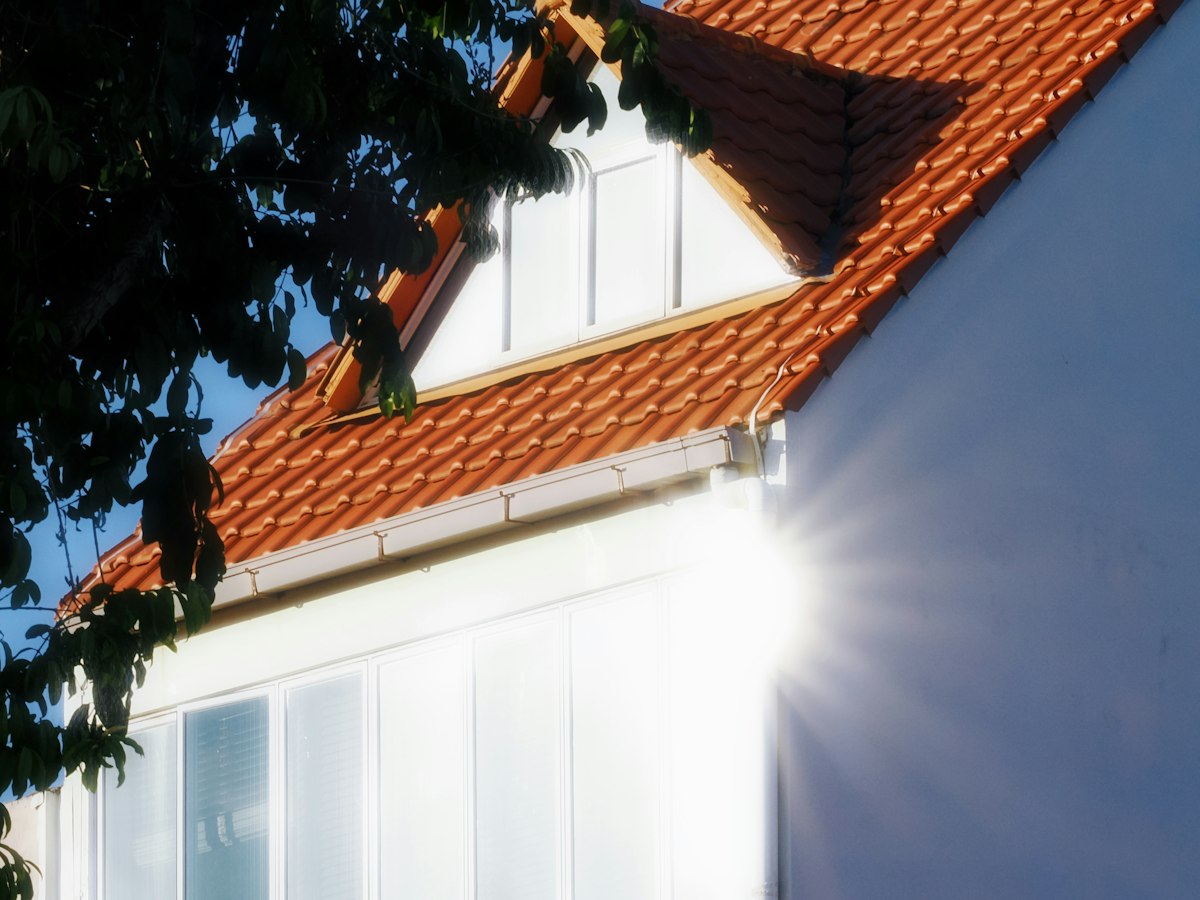
Honest Thermal Insulating Exterior Wall Paint Reviews: Do They Actually Lower Your Energy Bills?
You have likely seen the advertisements: a special space-age paint that promises to slash your cooling costs by...
Read more →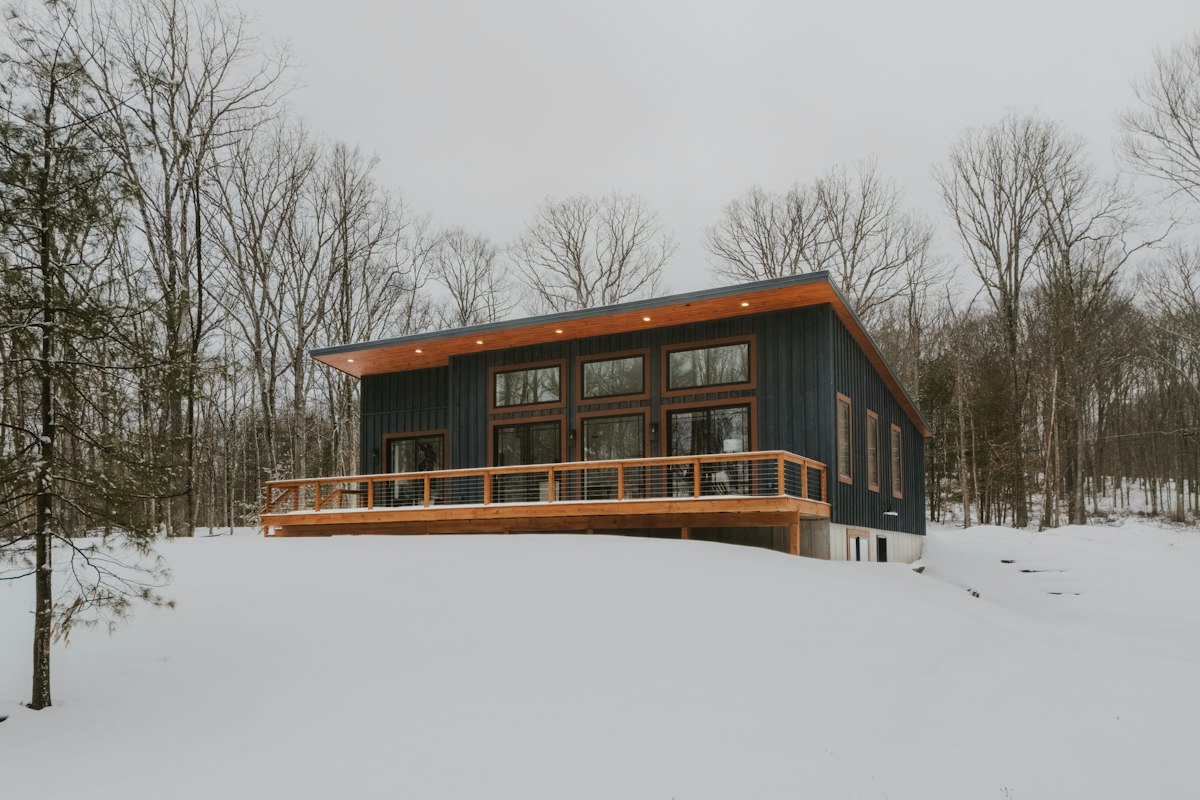
Stain Vs Paint For Exterior Cedar Siding: Which Option Protects Your Home Best?
Deciding between stain and paint for your exterior cedar siding is more than a simple aesthetic choice. Cedar...
Read more →
Maximizing Your Licensed Residential Exterior Painters Free Consultation
Deciding to refresh your home's exterior is a significant investment that impacts both curb appeal and long-term structural...
Read more →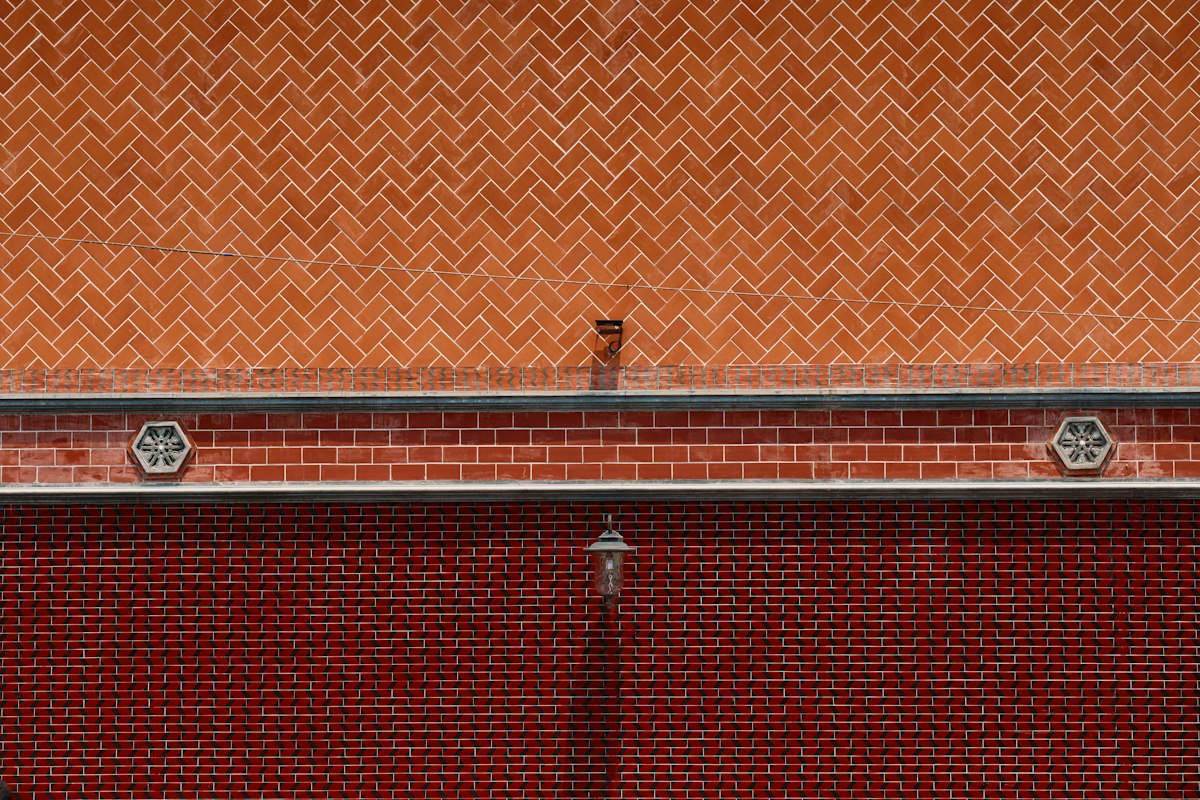
Mastering Exterior Exposed Brick Sealing for Long-Term Protection
Exposed brick masonry offers a timeless aesthetic that many homeowners and commercial property managers prize for its character...
Read more →This analysis examines the primary high-performance coating technologies engineered for coastal environments. We will compare the performance characteristics, application requirements, and financial realities of different commercial-grade systems. By understanding these technical variables, you can select a system that minimizes maintenance cycles and protects your capital investment.
Key takeaways
- Salt spray resistance is paramount: Coatings must prevent chloride ions from penetrating the substrate to protect internal structural steel and rebar.
- UV stability prevents premature failure: High-performance binders like fluoropolymers and advanced acrylics resist chalking and color fading caused by intense coastal sunlight.
- Substrate preparation dictates longevity: Over eighty percent of coating failures in marine environments stem from inadequate surface preparation and failure to remove soluble salts.
- Lifecycle cost outweighs initial price: Premium systems with higher upfront material costs significantly reduce long-term expenses by extending the time between disruptive repainting cycles.
The Marine Environment: Why Standard Coatings Fail
To choose the correct coating, one must first understand the specific destructive forces at play along the coastline. Salt air is highly hygroscopic, meaning it naturally attracts and retains moisture. When salt particles settle on a building facade, they draw moisture out of the air, keeping the surface damp for longer periods than inland properties experience. This constant moisture state accelerates the breakdown of weak chemical bonds in standard paint binders.
Furthermore, coastal areas experience high wind-driven rain. Standard coatings are often semi-porous, allowing water to be pushed deep into the substrate under high wind pressures. Once inside, this water can freeze, evaporate and deposit salts, or create hydrostatic pressure that pushes the paint film off the wall from the inside out. This phenomenon, known as blistering or peeling, is exacerbated by intense UV radiation that degrades the elasticity of standard paints, making them brittle and prone to cracking.
Primary Commercial Coating Technologies
Commercial-grade coatings rely on advanced polymer chemistry to resist marine degradation. The three most common systems utilized on coastal commercial properties each offer unique physical properties, benefits, and limitations.
Elastomeric Coatings
Elastomeric coatings are high-build, acrylic-based formulas designed to be applied at a thickness up to ten times that of standard paint. Their defining characteristic is extreme flexibility. These coatings can stretch and contract up to three hundred percent, allowing them to bridge dynamic hairline cracks in concrete and stucco substrates.
For coastal concrete structures, elastomerics provide an exceptional waterproof barrier against wind-driven rain. However, they must be formulated with high breathability (measured in perms) to allow moisture vapor inside the building envelope to escape. If a low-perm elastomeric is applied over damp concrete, the trapped moisture will cause massive blistering. Elastomerics also require a highly clean, salt-free surface to adhere correctly.
Fluoropolymer (PVDF) Coatings
Polyvinylidene Fluoride (PVDF) coatings represent the pinnacle of durability for metal substrates, such as aluminum window frames, metal roofing, and architectural wall panels. These coatings utilize a carbon-fluorine bond, one of the strongest chemical bonds known to science. This bond is virtually impervious to UV degradation, chemical attack, and acid rain.
PVDF coatings maintain their color and gloss for decades, resisting the chalking and fading that typically plagues coastal properties. While the initial material cost is significantly higher than acrylic or polyurethane options, their lifespan frequently exceeds twenty to twenty-five years, making them highly cost-effective for long-term asset retention.
Silicone-Modified Polymers and Acrylics
High-build, 100% acrylic coatings modified with silicone offer an excellent balance of water repellency, breathability, and UV resistance. The addition of silicone helps the surface shed water and dirt rapidly, reducing the accumulation of salt crusts on the building facade. These systems are easier to apply than elastomerics and are less sensitive to minor application variables, though they do not offer the same level of crack-bridging capability.
Critical Evaluation Metrics for Coastal Coatings
When reviewing technical data sheets from commercial coating manufacturers, look for specific ASTM (American Society for Testing and Materials) testing standards to verify performance claims. Do not rely on marketing terms like "marine-grade" without verifying the underlying test data.
- ASTM B117 (Salt Spray Resistance): This test subjects the coating to a continuous salt fog. High-performance coastal coatings should withstand at least 3,000 to 5,000 hours of exposure without blistering, rusting, or delamination.
- ASTM D6904 (Resistance to Wind-Driven Rain): This test measures the coating's ability to resist water penetration under simulated hurricane conditions. A passing rating ensures the system will protect porous masonry from water intrusion during severe coastal storms.
- ASTM G154 (Accelerated Weathering/UV Exposure): This test measures color retention and gloss retention under intense UV light. Look for coatings that maintain high percentages of their original properties after several thousand hours of exposure.
- ASTM D1653 (Water Vapor Transmission): This measures the coating's breathability. For concrete and stucco, a higher perm rating is generally preferred to prevent moisture entrapment.
The Financial Reality: Calculating Total Cost of Ownership
Commercial exterior painting projects in coastal zones involve substantial logistical expenses. Scaffolding, swing stages, municipal permits for sidewalk closures, and specialized safety equipment often make up seventy to eighty percent of the total project budget. The actual cost of the liquid coating in the bucket is typically a minor fraction of the overall expenditure.
Choosing a cheaper, lower-grade coating to save fifteen percent on material costs is a classic false economy. If a standard paint system costs $50,000 to apply and lasts four years, the annualized cost is $12,500. If a premium fluoropolymer or high-build elastomeric system costs $75,000 but lasts twelve years, the annualized cost drops to $6,250. Additionally, the premium system reduces the operational disruption, tenant complaints, and administrative overhead associated with managing frequent repainting projects.
Surface Preparation and Application Protocols
No coastal coating will perform if applied over a contaminated substrate. Soluble salts invisible to the naked eye must be thoroughly removed before any primer or topcoat is applied. If salt is left on the surface, it will draw moisture through the new paint film via osmosis, causing rapid blistering and adhesive failure.
The standard protocol for coastal preparation involves high-pressure water blasting (typically 3,000 to 4,000 PSI) combined with salt-neutralizing chemical washes. After washing, the substrate must be tested using a Bresle patch or conductivity meter to confirm that salt levels are below acceptable thresholds (typically less than 5 micrograms per square centimeter). Once dry, a high-quality, alkali-resistant primer must be applied immediately to seal the substrate before salt-laden air can re-contaminate the surface.
Frequently Asked Questions
How often do coastal commercial properties need to be repainted?
With standard commercial paints, repainting is often required every three to five years. However, when using high-performance elastomeric or fluoropolymer coating systems paired with rigorous surface preparation, coastal properties can extend their maintenance cycles to ten, fifteen, or even twenty years.
Can you apply standard interior or inland exterior paints to coastal buildings?
No. Inland exterior paints lack the binder density, UV blockers, and specialized fungicides required to survive the marine environment. They will degrade rapidly, leading to cracking, chalking, mold growth, and eventual water intrusion into the building envelope.
What is the role of primer in a coastal coating system?
The primer acts as the critical bridge between the substrate and the topcoat. In coastal environments, primers must resist the high alkalinity of concrete, seal porous surfaces, provide a barrier against residual salts, and establish a strong mechanical bond to prevent the topcoat from peeling under wind shear.
How does wind-driven rain impact coating selection?
Wind-driven rain forces water into micro-cracks under high pressure. If a coating is not rated for wind-driven rain (ASTM D6904), water will bypass the paint layer, saturate the masonry, and cause structural damage or interior mold. High-build elastomeric coatings are specifically engineered to combat this issue.
Conclusion
Protecting a coastal commercial property requires moving away from residential paint mentalities and adopting high-performance coating engineering. By focusing on advanced chemistry like elastomeric acrylics and fluoropolymers, verifying performance through ASTM testing standards, and executing meticulous salt-remediation prep work, property owners can safeguard their assets. Investing in a superior coating system reduces long-term maintenance costs, protects structural concrete and metal, and ensures the property retains its aesthetic appeal and structural durability for decades to come.