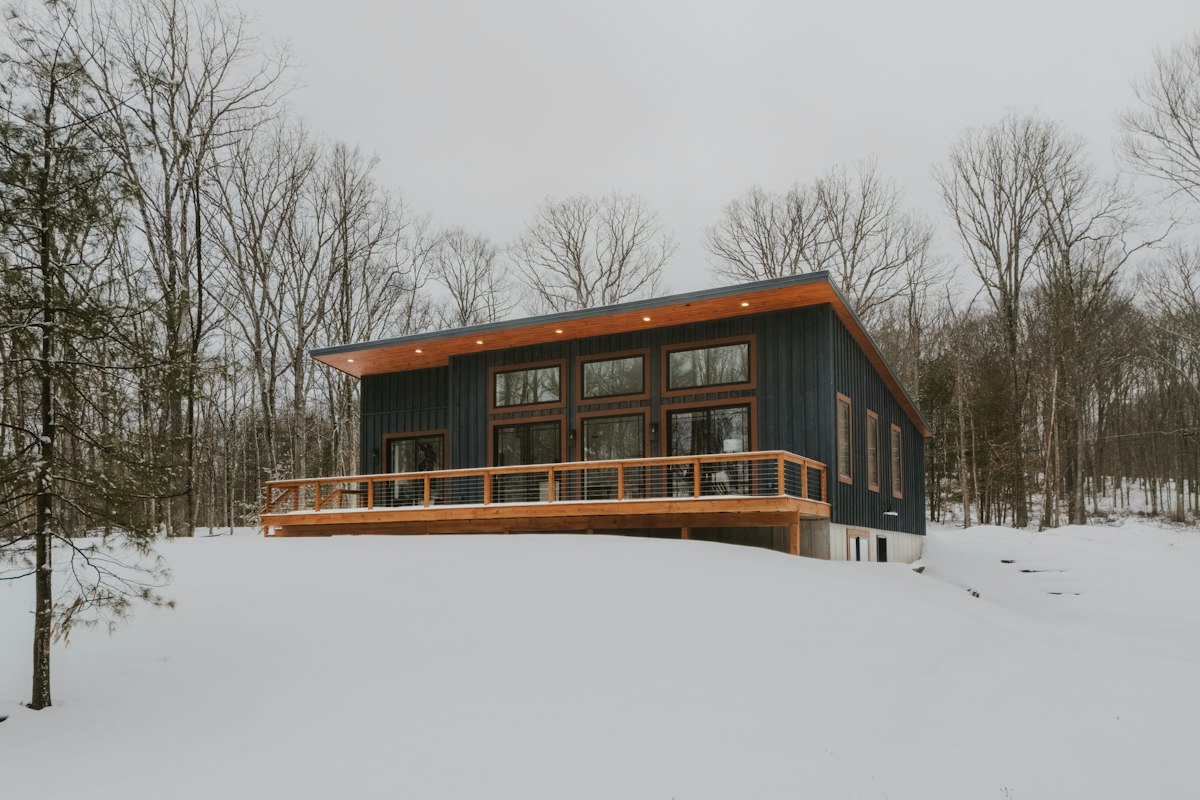
Stain Vs Paint For Exterior Cedar Siding: Which Option Protects Your Home Best?
Deciding between stain and paint for your exterior cedar siding is more than a simple aesthetic choice. Cedar is a unique wood species, prized for its natural resistance to decay and its stunning grain patterns. However, it is also a porous material that expands and contracts significantly with changes in humidity and temperature. If you apply the wrong product, you might find yourself dealing with unsightly peeling, moisture traps, or wood rot within just a few seasons.
The debate between these two finishes centers on how the wood breathes and how much maintenance you are willing to perform over the next decade. Paint creates a thick, protective film that sits on top of the wood, while stain typically penetrates the fibers to protect from within. Each approach has distinct advantages depending on the current condition of your siding, your local climate, and your long-term budget for home upkeep.
Related posts
Selecting Commercial Grade Exterior Coatings for Coastal Properties
Coastal commercial buildings face some of the most punishing environmental conditions on earth. The combination of high-intensity ultraviolet...
Read more →
Honest Thermal Insulating Exterior Wall Paint Reviews: Do They Actually Lower Your Energy Bills?
You have likely seen the advertisements: a special space-age paint that promises to slash your cooling costs by...
Read more →
Maximizing Your Licensed Residential Exterior Painters Free Consultation
Deciding to refresh your home's exterior is a significant investment that impacts both curb appeal and long-term structural...
Read more →
Mastering Exterior Exposed Brick Sealing for Long-Term Protection
Exposed brick masonry offers a timeless aesthetic that many homeowners and commercial property managers prize for its character...
Read more →In this analysis, we will break down the performance of both options specifically for cedar. We will look at the long-term costs, the labor involved in re-application, and how each choice affects the structural integrity of your home’s exterior. By the end, you will know exactly which finish matches your lifestyle and the specific needs of your property.
Key takeaways
- Maintenance ease: Stain does not peel, making future re-application much simpler than paint.
- Protection levels: Paint offers the highest level of UV protection and hides imperfections in older wood.
- Breathability: Cedar is prone to moisture movement; penetrating stains allow the wood to breathe more naturally than heavy paint films.
- Surface prep: Paint requires extensive scraping and priming to prevent tannin bleeding, whereas stain prep is usually limited to cleaning and light sanding.
Understanding Cedar’s Unique Properties
Before choosing a bucket of product, you must understand why cedar is different from pine or fiber cement. Cedar contains natural oils called tannins. These water-soluble chemicals give the wood its pleasant aroma and rot resistance, but they are a nightmare for many finishes. If you apply a cheap water-based paint without a specialized primer, those tannins will migrate to the surface, causing yellowish-brown stains that ruin the look of your home.
Furthermore, cedar is highly reactive to moisture. It absorbs water during rainstorms and releases it in the sun. This constant movement puts immense stress on any coating. A rigid paint film that cannot flex with the wood will eventually crack and flake off. Stain, particularly penetrating oil-based varieties, moves with the wood, which is why many professionals prefer it for new cedar installations.
The Case for Staining Exterior Cedar
Staining is often the default choice for homeowners who want to showcase the organic beauty of the wood. It comes in various opacity levels, from completely transparent to solid colors that look almost like paint. The primary advantage of stain is that it wears away gradually through erosion rather than peeling off in sheets.
Transparent and Semi-Transparent Stains
These options are perfect if your cedar is in excellent condition. Transparent stains offer a slight tint but let the wood grain take center stage. Semi-transparent stains provide more pigment, which acts as a sunscreen for the wood. Since UV rays are the primary cause of wood graying, a semi-transparent stain offers a balance between aesthetics and protection. When it is time to refresh the look, you usually only need a deep clean and a fresh coat.
Solid Color Stains: The Hybrid Solution
Solid color stains are often confused with paint because they completely hide the wood grain while leaving the texture visible. These products are excellent for older cedar that has some discoloration or weathering. Unlike paint, solid stains are formulated to be more vapor-permeable, allowing moisture to escape the wood fibers. This significantly reduces the risk of the finish bubbling or peeling, though they do require more frequent touch-ups than paint.
The Case for Painting Cedar Siding
Painting is the heavy-duty option for cedar protection. If you want a specific color that isn't a wood tone—like a deep blue, a crisp white, or a modern charcoal—paint is your only real choice. It provides a thick barrier against the elements, shielding the wood from rain, wind, and intense sun more effectively than thin stains.
The longevity of a high-quality paint job is its biggest selling point. While a semi-transparent stain might need attention every 3 years, a professional paint job on cedar can last 8 to 12 years. However, this longevity comes with a catch. When paint eventually fails, it peels. This means the next time you want to refresh your home, you will face days of scraping, sanding, and priming to create a smooth surface for the new coat.
Additionally, paint requires a high-quality, oil-based, stain-blocking primer. This primer acts as a barrier to keep the cedar's tannins from bleeding through. Skipping this step is a common mistake that leads to a botched finish within months of application.
Comparing Maintenance Cycles and Costs
When evaluating the cost, you must look beyond the price per gallon. Stain is generally cheaper to apply because the labor is less intensive. There is no priming required for most stains, and the surface preparation is minimal. If you are a DIY homeowner, staining is a much more forgiving process.
Paint has a higher upfront cost due to the necessity of primer and the intensive labor required for surface prep. However, because paint lasts longer between applications, the cost-per-year can actually be lower than stain over a 20-year period. You are essentially trading more frequent, easier work (stain) for less frequent, much harder work (paint).
Environmental Factors and Climate Considerations
Your local environment should dictate your choice. In high-moisture areas or regions with heavy snowfall, cedar siding is under constant attack. In these climates, paint can sometimes trap moisture behind the boards if the house is not properly ventilated, leading to hidden rot. A penetrating stain is often safer in wet environments because it allows the wood to dry out more quickly.
In high-desert or sunny coastal regions, UV degradation is the main enemy. Paint's thick pigment layer provides an excellent shield against the sun's rays. If you choose stain in a sunny climate, you will likely need to re-apply it every 2 years to prevent the wood from becoming brittle and gray.
How to Choose Based on Wood Condition
If your cedar is brand new, most experts recommend starting with a high-quality oil-based stain. This preserves the wood's natural integrity and keeps your options open. It is easy to paint over stain later, but it is nearly impossible to go from paint back to a natural stain without replacing the siding or using harsh chemical strippers.
If your siding is old, weathered, or has been previously painted, sticking with paint or a solid color stain is usually the best path. These products cover up the graying and the imperfections that would look muddy or unattractive under a semi-transparent finish. A solid finish can make 30-year-old siding look brand new again.
FAQs
Can I apply paint directly over a previously stained cedar surface?
Yes, you can paint over stain, but the surface must be clean and dry. If the previous finish was an oil-based stain, you must use an oil-based primer before applying latex paint. This ensures proper adhesion and prevents the old stain or wood tannins from bleeding through the new paint layer.
How often should I expect to restain my cedar siding?
Maintenance intervals for stain depend on the opacity. Transparent stains usually last 1 to 2 years, semi-transparent stains last 3 to 5 years, and solid color stains can last 5 to 7 years. Factors like southern exposure and proximity to the ocean will shorten these timelines.
Why is my paint peeling off my cedar siding so quickly?
Peeling is usually caused by moisture or poor preparation. If moisture gets behind the cedar boards from inside the house or through gaps in the caulking, it will push the paint film off as it tries to evaporate. It can also happen if the wood was not primed with a stain-blocking primer or if the wood was damp during application.
Is oil-based or water-based stain better for exterior cedar?
For cedar, oil-based stains are generally superior because they penetrate deep into the wood fibers and provide better protection against moisture. Water-based stains tend to sit more on the surface, which can lead to premature flaking on a wood as oily and reactive as cedar.
Does solid stain provide better protection than paint?
Not necessarily. Paint provides a thicker physical barrier against UV rays and physical wear. However, solid stain is often "better" for the wood itself because it is more breathable, which reduces the risk of moisture-related rot and makes the eventual re-application process much easier.
Conclusion
There is no universal winner in the battle of stain vs. paint for exterior cedar siding; the right choice depends on your priorities. If you value the natural aesthetic of wood and want a maintenance routine that is simple and peel-free, a penetrating oil-based stain is the clear winner. It respects the wood's biology and allows for easy updates every few years without the need for heavy machinery or scraping.
On the other hand, if you want a specific color palette and the longest possible interval between major projects, a high-quality paint system with a dedicated primer is the way to go. Just be prepared for the significant labor required when that paint eventually reaches the end of its life. For most cedar owners, a solid color stain offers the best middle ground, providing the look of paint with the breathability and easier maintenance of a stain.